
If you’re searching for songs to learn that can make your professional piano lessons more fun, you’ve come to the right place. Here are five more songs that are easy and awesome to play.
1. “Knocking on Heaven’s Door” by Bob Dylan/Guns ’n’ Roses
I didn’t even know Bob Dylan wrote this song until I was in college, that’s how familiar the GNR version was to me. Needless to say, it’s a classic, and with just four chords, it’s not too hard to learn at your next piano lesson.
2. “Piano Man” by Billy Joel
What piano player doesn’t want to learn this classic piano tune? Just think—once you learn this, you’ll be able to conjure smoky barrooms and sad old people in the ‘70s. Maybe one day you’ll be a piano (wo)man just like Billy Joel, able to give hardworking people hope.
3. “Can You Feel the Love Tonight?” by Elton John
When I was a kid, this song was the jam. Lion King had just come out, and everyone knew it was destined to be remembered for decades. Elton John on the soundtrack drove the point home. This song isn’t quite as easy as some of the others we’ve talked about, but if you stick with it, or you’re already a little more advanced, it’s a great one to learn.
4. “Mother” by John Lennon
This guy sounds kind of dorky singing it, but if you listen to the original, you’ll know how cool it sounds to sing it like John. Plus if you learn this in the next six months, you’ll be right in time for Mother’s Day, which if your mom is a fan of The Beatles, will get you serious brownie points.
5. “Silver Bells” by Jay Livingston and Ray Evans
It’s December, and it sure would be great to learn a song in time for your family Christmas party. Sit down at the piano and break out this song and everyone will be impressed. Should really help you get in the mood for the season.
 Playing the piano is a skill that takes years of practice, dedication, and desire. Our students study every type of music during their piano lessons including classical, jazz and pop music. If you are just getting started with your piano lessons and are looking for some instant gratification, here are some easy rock songs to get you ripping up the keys in no time!
1) “Let It Be” by the Beatles
http://www.youtube.com/watch?v=pJUrZsFFrVg
Everyone knows and loves this one. This song has 4 chords that you can play. Learning this tune is a rite of passage for every budding piano player.
2) “Werewolves of London” by Warren Zevon
Here’s an easy piece to play and fun to sing along with. There are a few simple chords and once you learn it you’ll be playing one of rock’s most iconic piano licks!
3) “Sweet Home Alabama” by Lynyrd Skynyrd
Well – you’d be wise to avoid this song if you’re hanging out with Neil Young, but do play it if you want to impress your southern friends. It’s another iconic piano riff that’s easy enough to play.
4) “Hey Jude” by the Beatles
http://www.youtube.com/watch?v=Hla6jdmkY4I
Yep, another Beatles song, but are you surprised? It’s easy, it’s awesome, and one of their biggest hits. Play this tune at a party and enjoy your rockstar moment.
5) Home Sweet Home by Motley Crue
This is great piano riff that was written by Crue drummer Tommy Lee. Learn how to play this and you might be able to date Pamela Anderson….
Well, here are five classic and easy songs to get you started on your musical journey, but don’t forget to keep practicing. Rock on!
Are You In The New York City Area?
Learn these 5 songs by a professional teacher. Sign up for our Piano Lessons today!

People with perfect, or absolute, pitch are one in 10,000, which is pretty rare considering lefthanded people are about one in ten and you don’t see them everyday. Much like those with lefthandedness, people with absolute pitch are not smarter than those without; however, they do have a propensity to be more gifted in certain areas. Let’s put it this way: perfect pitch is not necessary to be a musical genius or to even excel in the piano, though it can certainly help being able to recreate a note without a tonal reference. Research shows that those with perfect pitch are better at transcribing music than those without, but those without are better at recognizing musical intervals. Mozart had it, which helped him compose, and some experts argue that Beethoven had it too, but it’s hard to know with certainty.
How to improve your pitch
Perfect pitch may be nice to have for those lucky few, but the rest of us have to content ourselves with humming, singing and dancing. When you’re doing any of these three activities, it’s basically impossible to be sad. Granted, if you’re blue, it can be hard to just get up out of your chair and start to dance or start singing pop standards, but if you warm up by humming, you’ll find that not only will your mood improve, you’ll also warm up your singing voice.
Start by humming high, and move lower once you feel like your pitch is right. Most people start humming too low, and wind up causing unnecessary tension in their vocal chords. Once you’ve identified your pitch with a hum, it’s much easier to start doing vocal exercises that help you focus on enunciation and phrasing. Throw in a little do-re-mi-fa-sol-fa-mi-re-do and in a few weeks your pitch may not be perfect, but it will definitely be a lot better than before. Who doesn’t want a beautiful singing voice to pair with their piano or guitar?

Imagine taking piano lessons and not reading music. While guitar tabs work pretty well for guitar lessons, it’s a little different taking instructional piano tutorials without sheet music. On a stringed instrument, you can name the string and where to pluck it, and this is how the earliest musical notation evolved in Sumer, in 2000 BC. But as musical instruments advanced, so did musical notation. By the time of the Byzantine Empire, notation had improved to the point of using a system based on differential, that is, according to the rise or fall of a pitch. But the lack of an absolute system led to the emergence of the modern staff notation we know today.
Modern musical notation
Guido d’Arezzo lived in the early eleventh century in northern Italy. He was a Benedectine monk who recognized how much difficulty singers had remembering Gregorian chants. Around 1025, he created the “ut-re-me-fo-so-la” mnemonic and the four line staff. This led to the standardization of melody, but it took another few hundred years for rhythm to be accounted for through standardized note lengths, and another nearly three centuries for the use of regular measures to come into play.
Reading music to improve your style
Today’s notation includes many different notes about how to play a piece, from tempo to expression and dynamics. These words above the staff can make for large differences in how the same piece can be played if only the notes and rhythm are followed; they allow for a personal touch on each note. Glenn Gould was very well known for playing Bach in a very individualistic style, so much so, that after Gould, it was hard to play certain Bach pieces in any other way. Indeed, Gould claimed that he often studied piano by reading sheet music instead of playing it. It also helped that Gould could memorize on sight, but hey, if he didn’t know how to read music, he might never have become as good as he was!
One of the most asked questions I get from parents is this: “How do I get my child to practice their instrument?”
Well, the answer isn’t always an easy one. Not every child runs to the piano or violin, or even the guitar on their own. Most five-year-old kids don’t really understand the value of music lessons and the benefits they can add to their future development. So, naturally, parents are often discouraged when young students are not spending time practicing their instruments. This sometimes leads to parents discontinuing the lessons for their child after only a short time.
Here are a few things we suggest that will get children practicing and loving the instruments they are learning!
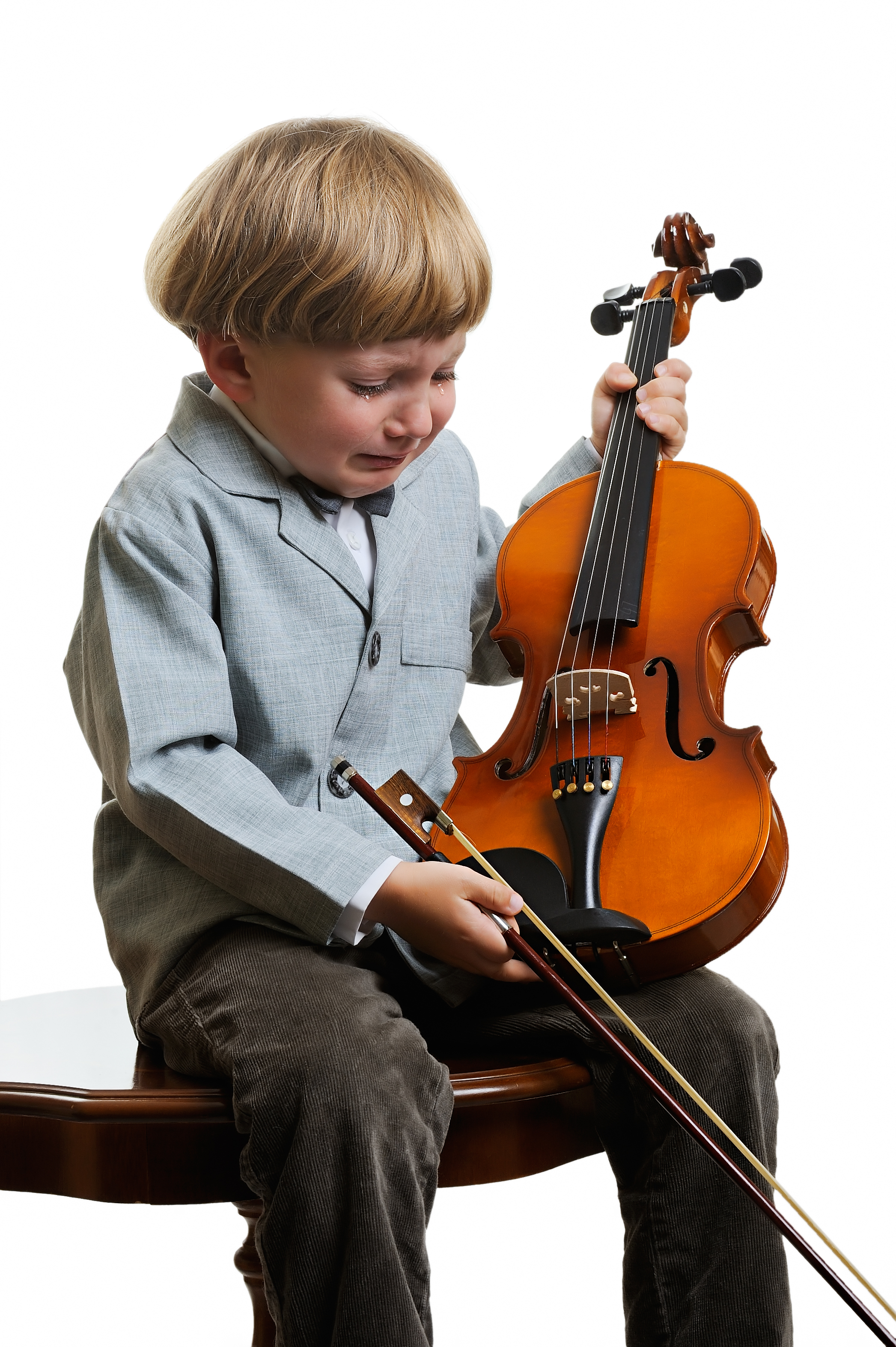
If your child looks like this when you tell him to practice, then this is for you.
• Spend time practicing with your child every day, especially for the first few months. This will keep young students focused on the assignments their teachers have left for them and help get them into a steady and comfortable practice routine.
• Make sure you have a great music teacher! If you’re spending the money on piano lessons, you obviously want to ensure that you’re getting the best quality instruction, from professionals who truly love their craft. Your child’s music teacher should make piano, guitar or violin lessons fun and informative for new students. (Music to Your Home can help you with that – after all, we’re the experts!)

• Play a lot of music for your kids. In the car or at home try to expose your children to the music you love. This will help inspire them to make and learn music of their own.
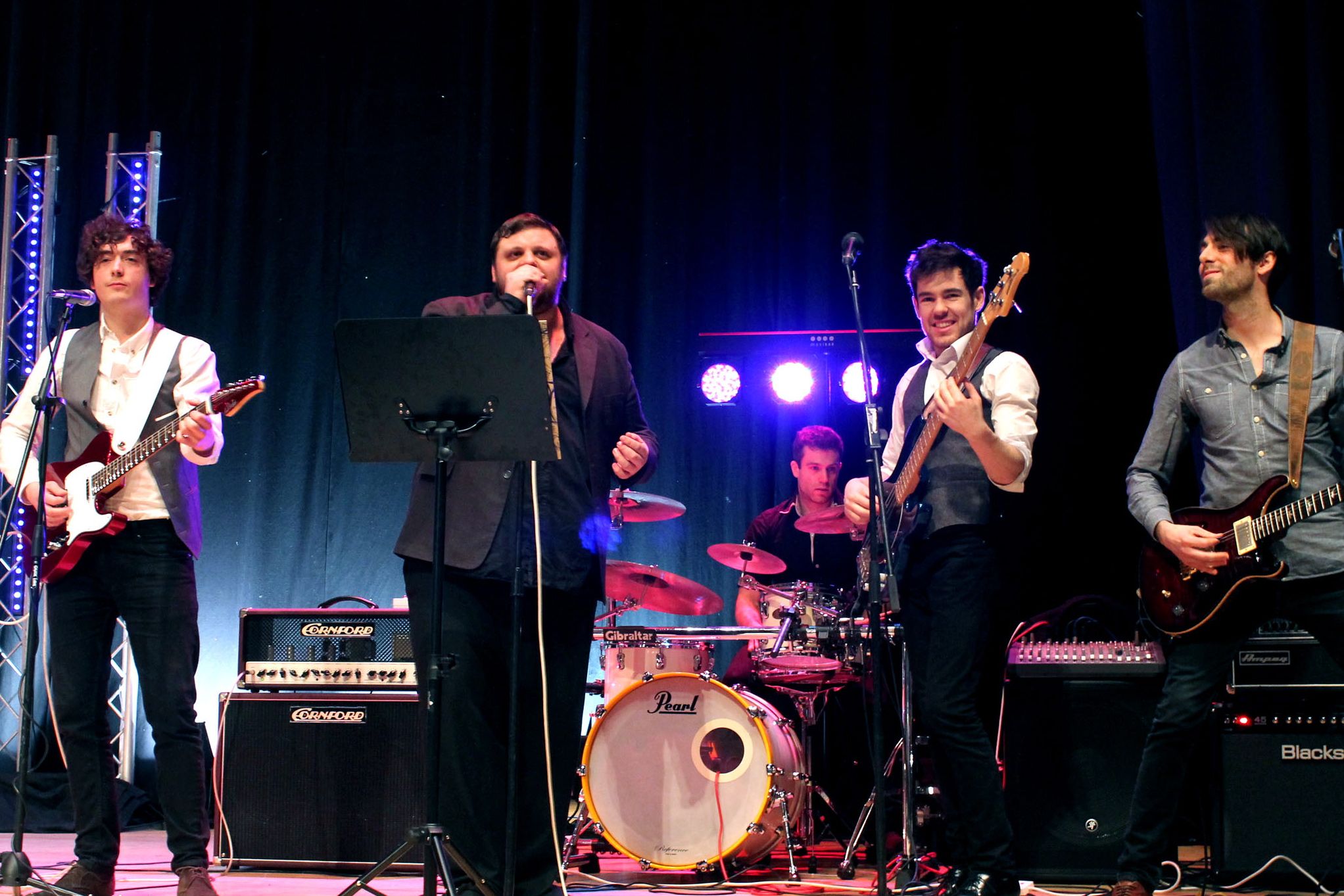
• Take them to live concerts. Seeing a live show is always a great way to get kids exited about music. Music to Your Home instructors are constantly performing in some of NYC’s greatest venues. Check out our “In the News” page to see when they’ll be next!
• Give them positive reinforcement. Sometimes when learning a new instrument, students really need encouragement from their parents even if progress is slow to start. Let them know you are proud of their efforts. They are basically learning a new language, and that’s impressive! This will go a long way.
By following these simple steps you are setting your child on a musical journey that undoubtedly will bring them a lifetime of enjoyment and a feeling of incredible accomplishment. Getting your child started with piano lessons will encourage them to explore all the music options in this great city when they’re older, and one day, maybe even be part of it.

We all know Mozart started playing piano around the age of three, but if we suspect our children aren’t musical geniuses, what’s the ideal age to start them on lessons?
Firstly, bear in mind that Mozart came from a musical family. His father was a composer and taught his older sister how to play the piano, or the 18th century equivalent, the harpsichord. All this music around young Mozart kept him intrigued. It was only natural for him to imitate his big sister by thumping away on the piano when he had the chance.
Your Music Habits
In judging when to start your child’s piano lessons, consider how often you play music in your home. How does your baby respond? By dancing, laughing and raising his arms in glee? If yes, do you or the baby’s other parent play piano or violin, actively practicing? It’s better if you do, since kids love to imitate. It’s a great idea to start your child’s piano lessons around the age of three or four if music is already a large part of your lives.
If it’s not so much, but you want to see it as such, think about taking your kids to group classes while they’re young. For children under the age of three, these usually require parents’ involvement. Often by the age of five, kids are ready to learn an instrument with the violin or piano lessons. By age seven, it’s okay to start guitar lessons.
How to Get Kids to Practice
The hardest part about getting kids to appreciate their violin or piano lessons is to get them to practice on the regular. Try rewarding them with a treat like ice cream or soda for every half hour they practice. Private piano lessons can be a good addition to lessons at school, where kids can’t always get the individual attention they might need.

Mozart is one of the greatest musical geniuses the world has ever known. A piece from his Magic Flute opera was incorporated onto the Voyager Golden Record, which was sent into space in 1977 to represent the different forms of life that exist here on earth. The movie “Amadeus,” based on Mozart’s life won Best Picture at the 1984 Oscars. You can still hear Mozart’s music scattered throughout pop culture. Mozart’s legacy is still so prevalent that you might be surprised learning certain pieces were composed by him almost three hundred years ago!
Wolfgang’s Piano Lessons
A prodigy from the age of three, Mozart started playing the piano from the age of four. Little Mozart watched his father give his sister piano lessons, which were actually clavier lessons, and he would stand on tiptoe to play when they were finished. Leopold, his father, taught him to play minuets and would end his lesson after a half hour despite little Mozart’s desire to keep playing.
At seven, his father took him and his sister on a Grand European Tour to show off their family’s exceptional talent. Mozart musical memory was so good, that at 14 he heard a sacred piece of music performed in the Vatican, which not even the choir was allowed to practice beforehand because of its sanctity. After the performance, Mozart ran home, and copied out all of the notes from memory. The next day he heard it again, fixed some small errors in his manuscript and hid it in his hat.
When word got out that a boy from Salzburg had a version of this music, Pope Clement requested to know how he had found it. He called the choirmaster to examine the manuscript and confirm that it was accurate. Of course, it was and when Mozart said that he’d written out the entire piece from memory the Pope was so impressed he gave the young boy a gold medal and made him a Knight of the Golden Spur. Mozart loved music so much that he focused all of his energy into learning it by heart.
Why Mozart Matters Today
As Mozart continued to play and compose, he incorporated the contrapuntal complexities of the Baroque era from masters such as Bach, into a new milieu, with refined clarity and harmonious tonics to define the Classical style. Mozart wrote all kinds of music: opera, symphonies, sonatas, solo concerto, chamber music, masses and dances.
All of this genius came at a price, however; Wolfgang gave up an ordinary childhood, much like Michael Jackson did, to pursue music and become one of the greatest of all time. He died young, in his forties. His friend Joseph Haydn said that the world would not see another musical genius for at least a hundred years.
Not everyone can be like Mozart, but one thing’s for sure: if you can get excited about your NYC piano lessons, it makes it a lot easier to practice every day. Try listening to Mozart so that you can ask your piano lesson teacher to help you play select pieces!

Gould, Chopin, Brahms: the greatest pianists of all time have always had private musical lessons, either at home or at an academy. When these students began playing piano in their childhood, a teacher or mentor often taught them the basics, cultivating their love for piano, before they went on to teach themselves more advanced music principles. But not all of us are Glenn Gould, and even when we approach a level of mastery, it’s great to have someone who can guide and shape us to become the best pianists we can be.
Becoming a Master Pianist
To learn to play the piano is easy, but to become a pianist who plays concerts is very hard. It requires thousands of hours of practice before you can consider yourself an expert. Practicing by yourself without the weekly guidance of one of our teachers will delay your expertise. To find out what you are doing wrong in order to improve and see faster progress, work with our professional piano teachers. With lessons in New York City at your door, you will learn everything from technique to arpeggios and concert pieces, much faster than if you taught yourself.
What Piano Lessons Teach
When you book piano lessons in NYC, you can learn how to warm up your hands in order to build strength in all of your fingers. You may already know how Chopin used to bend his wrists forward and backward before playing, or that you should let your arms hang by your side before hitting the ivory. But more subtle nuances, such as setting your hands the right distance apart, and pressing the keys with the right force, are harder to master without piano lessons. You may remind yourself to keep your wrist above your hand and your elbows six inches from the body, but it’s easy to slide back into bad habits without the guidance of a piano lesson instructor.
Making Music Fun
One of Chopin’s greatest interpreters, Alfred Cortot, was well aware of the difficulty young students face in practicing: the weight of their arms. Playing for hours at a time can be painful for younger students, which is why he advocated that the seat be modified to the height of the player to avoid unnatural angles and uncomfortable positions, the bane of piano students for hundreds of years. Our piano lesson instructors are aware of the historical resistance by youths against their professors, their distrust of daily practice, and tendencies to dislike being forced to do what is good for their musical careers. That’s why we work hard to make piano lessons better than the other guys—we’re dedicated to making music fun.

New York City kids — they’re a breed of their own. For better or for worse, they grow up seeing and experiencing more culture and diversity at every corner than many other people will in their entire lives. From the second they touch pavement, New York City kids are bombarded with sights and sounds unrivaled by any other city in the country — maybe even the world. One of the most unique of these experiences is the wide variety of music they’ll hear. Whether it’s passing through Grand Central Station and catching the tunes of one of the many locals showcasing their talents in the terminal or attending a free concert in the park in the summer months, music is readily available to New York City youth!
Of course listening to music is a lot less daunting (and tedious) than spending hours learning to play, so don’t be discouraged if and when your kids are resistant to learn. When it’s time to enroll your kids in their NYC piano lessons (or any other instrument they want to play!), there are a handful of ways you can get them pumped to get started. Try these ideas to get your NYC kids excited about piano lessons!
Buy Tickets to the Orchestra
One of the best ways to encourage your kids to get excited about learning music is to expose them to people who have an immense passion for it — so much so that they do it for a living. New York City offers so many opportunities for your kids to see some of the best, world renown musicians that they won’t get anywhere else! Take them out for a night to the orchestra, and let them see the glamour and excitement of the orchestra; expose them to a formal side of music and give them insight on how the musicians onstage got their own start. If they can think that their own piano lessons can help to get on a grand stage one day, they will be more excited to learn! Try a night listening to the New York Philharmonic Orchestra or the New York City Symphony and tell us if you don’t have a blast!
Goof Around at Home
Whether they’re NYC kids or not, kids are kids nonetheless. And that means that they want to have FUN! The only way your kids are going to assume that their piano lessons aren’t another homework assignment is if you make them fun to begin with. Let your kids tickle the ivories and create a song of their own making — and then you do the same. You’ll also show them that you’re willing to be silly and have fun, and that’s always a great example to set from the get-go! Try this before they start their piano lessons and during them, so it mixes up the formal training with some fun. Your kids will get better at learning and start building on their new knowledge without even realizing it! Remember: Music should be an expression of a person’s own creativity, not a chore you have to do — so don’t make it seem like that and you’re golden!
Hire a Private Tutor
One of the most daunting things about learning anything — whether it’s music or math — is doing it with about 20 other kids. The pressure of standing out in a group or being too shy to ask for help can impact both your child’s learning experience and how much he/she will enjoy it. Both of these problems can be easily resolved with private music lessons. Obviously we’re big believers that this is the best way to learn music, but it’s also because we, as instructors and musicians, enjoy that one-on-one time we get with our pupils. There’s just nothing like passing on the gift of music and getting to witness that first moment when one of our students lights up because he or she hit the right notes in the right order. What a magical experience it is! Private lessons is also a unique bonding experience for teacher and student, and just as we fondly remember our first music teachers, we strive hard to make learning music an enriching experience so that our students will have those same memories to cherish for years to come!
Do you have any useful tips to help your kids to get your kids excited for piano lessons? Share them with us in the comments below or via our social media channels!